Logan Jenkins · 27 September 2026
Examining Interconnected Referral Dynamics Among Disconnected Web Properties
Web properties that operate without direct affiliations still generate measurable referral patterns through user navigation sequences, shared advertising networks, and indirect content syndication, according to analytics platforms that track cross-domain traffic flows. Researchers at academic institutions have documented how these dynamics emerge even when sites maintain separate hosting environments and ownership structures. Data from multiple tracking systems reveals clusters of activity that connect domains through repeated visitor pathways rather than explicit partnerships.
Referral Patterns in Independent Domains
Analysts examining server logs and client-side tracking scripts observe that users frequently move between unrelated sites after encountering embedded content or external links in search results. These movements create referral signals that persist across sessions even though the properties share no common administrative controls. Studies conducted by university research teams indicate that such patterns account for measurable portions of organic traffic in niche topic areas where content overlap occurs naturally through public information sources.
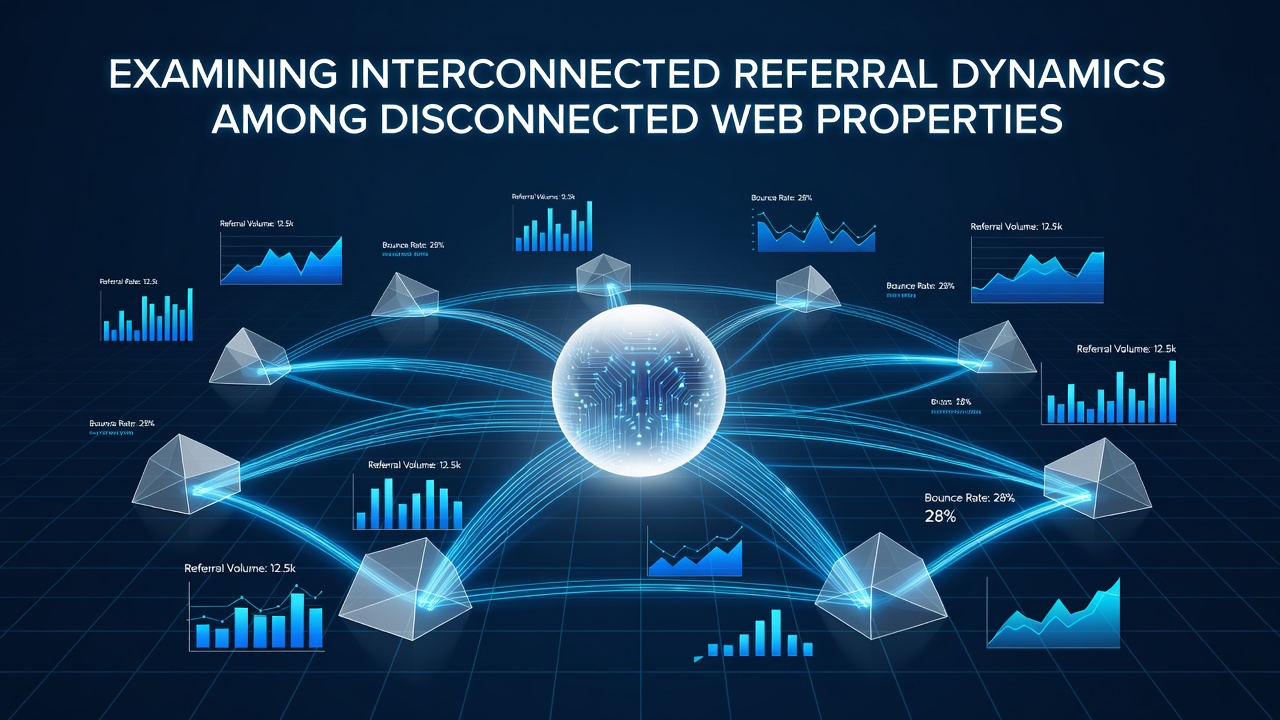
Traffic quality metrics collected during 2025 and into September 2026 show that referral sources from disconnected properties often deliver visitors with longer session durations compared to generic search referrals. Observers note this occurs because the originating page already contains context that aligns with the destination content, reducing bounce rates without any coordinated link-building effort.
Technical Mechanisms Behind Indirect Connections
Browser fingerprinting techniques and cookie-based attribution systems capture these movements by recording the HTTP referrer header and subsequent navigation events. When multiple sites participate in the same content delivery network or utilize overlapping third-party scripts, aggregated data sets begin to reflect statistical associations between domains. Network analysis tools applied to large-scale web crawl data have identified communities of sites linked by these statistical signals despite the absence of shared infrastructure ownership.
Figures from digital measurement firms reveal that referral chains frequently involve intermediate pages such as aggregator platforms or social media embeds that serve as temporary bridges. These intermediate steps allow traffic to flow between otherwise isolated properties while each site maintains complete editorial independence.
Data Sources and Measurement Approaches
According to reports published by the Pew Research Center, a significant share of online navigation occurs through pathways that originate outside direct search engine queries. European statistical agencies including Eurostat have published complementary datasets documenting cross-site movement patterns within the EU digital single market. These sources provide standardized metrics that researchers use to quantify referral strength without relying on self-reported link data.
One study revealed that academic and governmental web properties often appear as referral sources for commercial sites in the same topical category, even when no formal content-sharing agreements exist. The connections arise because users research topics across institutional boundaries before reaching commercial destinations.

Case Examples from Recent Observations
Take one researcher who analyzed referral logs from educational resource sites and discovered consistent traffic originating from municipal government portals in adjacent regions. The pattern emerged because both sets of pages addressed overlapping public information needs, creating natural user pathways without any deliberate referral program. Similar observations appear in industry reports covering health information sites that receive visitors from independent nonprofit databases.
What's interesting is how these dynamics scale when content themes align across multiple disconnected properties. Data indicates that clusters of five to twelve sites can generate statistically significant referral volumes through repeated user behavior alone, without centralized coordination.
Implications for Traffic Attribution Models
Attribution frameworks used by marketing platforms have begun incorporating multi-touch models that account for indirect referral sequences. These models assign fractional credit to upstream domains even when direct hyperlinks are absent. Organizations tracking performance in September 2026 increasingly rely on such frameworks to avoid undercounting contributions from disconnected sources that still influence final conversions.
Yet the underlying data collection methods continue to evolve as privacy regulations limit cookie persistence and referrer header transmission. Researchers continue to refine statistical approaches that infer connections from aggregated behavioral signals rather than individual user traces.
Conclusion
Referral dynamics among disconnected web properties arise through user behavior patterns, shared content ecosystems, and technical measurement artifacts rather than explicit agreements. Available datasets from research institutions and statistical agencies demonstrate measurable connections that persist across independent sites. Continued observation through September 2026 and beyond will depend on adapting attribution methods to changing privacy standards while preserving the ability to identify these indirect pathways.